













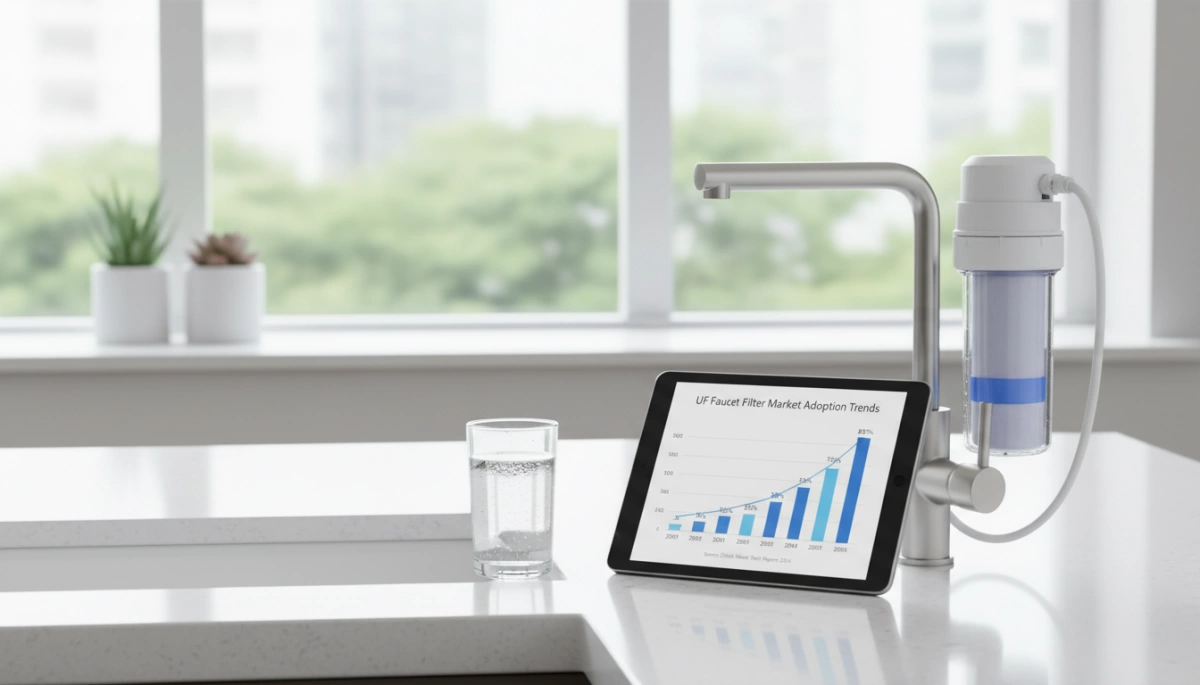
You’ve likely noticed a massive shift in the water filtration industry.
Consumers are moving away from bulky, wasteful Reverse Osmosis systems, yet they no longer trust simple carbon pitchers to handle bacteria.
So, where is the smart money going?
It’s flowing directly toward UF Based Faucet Filters.
As a manufacturer, I see the data behind the orders: the market is aggressively adopting 0.01-micron precision technology. Buyers are demanding systems that block pathogens while keeping healthy minerals intact.
In this analysis, we’re breaking down the specific Market Adoption Trends driving this surge—from the demand for zero-wastewater efficiency to the rise of “health-plus” consumer standards.
If you want to know exactly where the POU market is headed, this guide is for you.
Let’s get into the data.
Trend #1: The ‘Health-Plus’ Consumer & Pathogen Protection
Microbial Anxiety: Rising Demand for Biological Contaminant Removal
We are witnessing a fundamental shift in how households approach tap water. It is no longer just about removing the taste of chlorine; it is about safety. With concerns mounting over aging municipal infrastructure and the potential for pipe corrosion, consumers are experiencing “microbial anxiety.” They want assurance that their water is free from invisible threats. This has driven a surge in demand for Point-of-Use (POU) water treatment systems that can handle more than just sediment and odor. The market is aggressively moving toward solutions that offer a physical barrier against biological contaminants.
The 0.01 Micron Standard: Hollow Fiber Membranes vs. Standard Filters
The defining factor in UF Based Faucet Filters Market Adoption Trends is the transition to higher precision. Standard activated carbon filters often operate at 0.5 to 5 microns, which is effective for chemicals but porous to smaller particles.
At DripLife, we utilize hollow fiber membrane technology to achieve 0.01 micron water filtration. This level of precision is a game-changer:
- Standard Filters: primarily target taste, odor, and large sediments.
- UF Technology: blocks microscopic contaminants, including rust, colloids, and suspended solids.
- Physical Barrier: acts like a microscopic sieve that contaminants simply cannot pass through.
Market Data: Absolute Filtration Needs in Aging Infrastructure
The data reflects a growing consumer preference for “absolute” filtration capabilities. As residential piping systems age, the risk of secondary pollution—where clean water gets contaminated between the treatment plant and the tap—increases. Families are prioritizing bacteria and cyst reduction capabilities that only sub-micron filtration can provide. The adoption of Ultrafiltration represents a move toward professional-grade water safety directly at the kitchen sink, bridging the gap between basic pitchers and complex under-sink systems.
Trend #2: Mineral Retention vs. Demineralization
The Anti-RO Movement: Avoiding ‘Dead Water’
We are witnessing a significant shift in consumer awareness regarding water composition. For years, Reverse Osmosis (RO) was the gold standard, but the narrative is changing. The “Anti-RO” sentiment is driven by the realization that RO systems are often too effective—stripping water of essential minerals like calcium, magnesium, and potassium along with the contaminants. This process creates what many health-conscious Americans call “dead water,” which can taste flat and lacks the nutritional benefits of natural water.
The UF Advantage: Selective Filtration
This is where UF Based Faucet Filters Market Adoption Trends are heading upward. Our technology offers a strategic advantage through selective filtration. By utilizing 0.01 micron water filtration via hollow fiber membranes, we create a physical barrier against harmful substances while allowing beneficial dissolved solids to pass through.
- Blocks: Lead, chlorine, rust, colloids, and bacteria.
- Retains: Essential electrolytes and minerals.
Unlike aggressive purification methods that leave water completely empty, our systems consider the impact of hard water minerals as a positive for drinking quality, ensuring you aren’t drinking acidic or aggressive water.
Consumer Preference: The Shift to Mineral-Rich Hydration
The modern consumer wants a mineral retaining water filter that mimics the quality of natural spring water. The market data is clear: households are moving away from the complexity and demineralization of under-sink RO units in favor of point-of-use (POU) systems that preserve water’s natural character. It is the perfect middle ground—providing the safety of high-precision filtration without the health trade-offs of demineralization.
Trend #3: Sustainability and the ‘Zero-Waste’ Economy
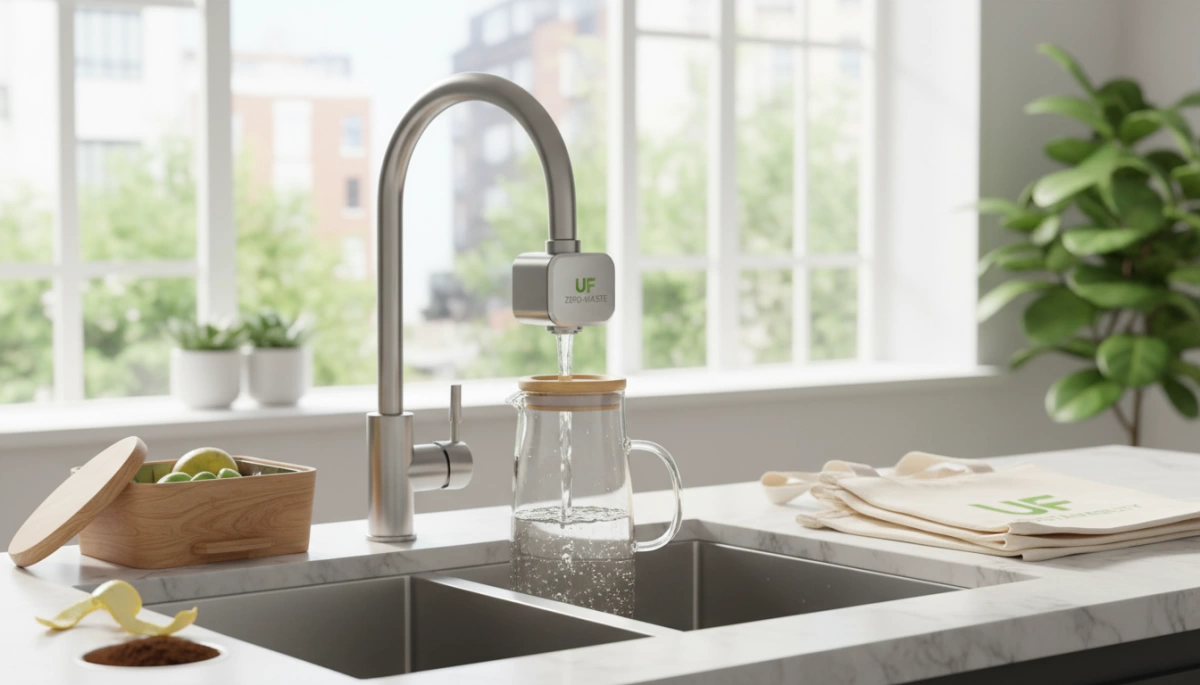
When analyzing UF Based Faucet Filters Market Adoption Trends, it is clear that sustainability is no longer just a bonus feature—it is a primary purchase driver. American consumers are increasingly scrutinizing the environmental impact of their home appliances. We are seeing a decisive shift away from wasteful purification methods toward systems that align with a “zero-waste” lifestyle.
Water Efficiency: Zero Wastewater vs. RO Waste
One of the biggest factors driving this trend is water conservation. Traditional Reverse Osmosis (RO) systems are effective, but they are notoriously inefficient, often wasting multiple gallons of water for every single gallon of purified water produced. In contrast, zero wastewater filtration systems utilizing Ultrafiltration (UF) technology retain 100% of the source water. There is no drain line and no wasted runoff, making UF the preferred choice for eco-conscious homeowners and regions facing water scarcity.
Plastic Reduction Impact
The most tangible benefit for the average user is the massive reduction in single-use plastics. Our data shows that a single DripLife filter cartridge replaces approximately 2,000 standard (16.9 oz) plastic water bottles. By switching to our high-capacity faucet water filter systems, households can significantly lower their carbon footprint while eliminating the hassle and cost of buying bottled water.
Energy Independence
Another key aspect of sustainable water purification trends is energy consumption. Unlike complex under-sink systems that often require electric pumps to maintain pressure, DripLife’s UF units are non-electric water filter systems. They operate strictly on existing hydro-pressure. This passive operation means:
- No electricity costs: Zero impact on the utility bill.
- No electronic waste: Fewer components to fail or discard.
- Resilience: The system works perfectly even during power outages.
Trend #4: Technological Integration & User Experience (UX)
As we analyze UF Based Faucet Filters Market Adoption Trends, it becomes clear that superior filtration specs are no longer the only driver for US consumers. The market is aggressively pivoting toward devices that blend high-tech purification with seamless usability. Modern homeowners want systems that integrate into their kitchens without requiring a plumber or a degree in engineering.
Hybrid Filtration: ACF Meets UF
The latest generation of Point-of-Use (POU) water treatment devices is moving beyond single-stage filtration. We are seeing a surge in hybrid systems that combine Activated Carbon Fiber (ACF) composite with hollow fiber membrane technology.
- Taste and Safety: While the UF membrane handles the heavy lifting—blocking bacteria and cysts at 0.01 microns—the ACF layer addresses taste, odor, and chlorine.
- High Efficiency: This combination maintains a high flow rate faucet filter experience, ensuring that getting a glass of clean water doesn’t turn into a waiting game.
Visual Trust and Design Transparency
Consumer confidence is built on transparency. A growing trend in the residential ultrafiltration market size is the implementation of “Visual Window” designs. These features allow users to physically see the condition of their filter cartridge. It eliminates the guesswork regarding maintenance, providing a clear visual cue when the filter has trapped significant sediment and requires replacement. This simple design tweak reinforces the effectiveness of the filtration process in real-time.
Tool-Free Engineering & 360-Degree Rotation
The barrier to entry for clean water should be low. That is why non-electric water filter systems are dominating the DIY space. We focus on “plug-and-play” engineering where installation requires zero tools and takes minutes.
- Universal Fit: Adapters that fit most standard faucets are now standard, not optional.
- Enhanced Usability: Features like a 360-degree swivel design allow for multi-angle use, making it easy to fill large pots or wash vegetables.
- Dual-Mode Functionality: The ability to switch between filtered water and regular tap water extends the faucet mount filter lifespan significantly.
Our UF kitchen faucet water purifier system exemplifies this shift toward user-centric design, offering a compact solution that delivers clean water without the hassle of complex installation.
Comparative Market Analysis: Where UF Wins
When analyzing UF Based Faucet Filters Market Adoption Trends, it becomes clear that Ultrafiltration is carving out a dominant position by solving the specific frustrations users have with legacy filtration methods. We are seeing a distinct shift where consumers demand the potency of under-sink systems combined with the convenience of a simple tap mount.
Vs. Pitcher Filters: 10x Longer Life and Instant Flow
The era of waiting for water to trickle through a gravity-fed pitcher is ending. Pitcher filters typically require replacement every 40 gallons, creating a constant cycle of maintenance and plastic waste. In contrast, our hollow fiber membrane technology extends the filter lifespan significantly, handling up to 320 gallons—roughly 3 to 6 months of typical use. Furthermore, the high flow rate design means users get clean water instantly, eliminating the “fill and wait” annoyance that plagues pitcher users.
Vs. Reverse Osmosis: No Electricity, Tanks, or Wastewater
While Reverse Osmosis (RO) is powerful, it is often overkill for standard municipal water treatment. RO systems require bulky storage tanks, electrical connections, and they generate significant wastewater during the purification process. UF technology operates as a zero wastewater filtration system, utilizing existing hydro-pressure to function without electricity. This makes it a far more sustainable and installation-friendly option for renters and homeowners who want purity without the plumbing overhaul.
Vs. Standard Faucet Mounts: Physical Barriers
Most entry-level faucet filters rely solely on activated carbon, which is effective for taste and odor but ineffective against microscopic pathogens. By integrating 0.01 micron water filtration, we provide a physical barrier that standard carbon filters cannot match. This level of precision captures contaminants that pass right through basic filters. This demand for higher security is also driving interest in specialized units like a bathroom faucet water filter, ensuring that water used for washing and hygiene meets the same rigorous standards as drinking water.
The Future Outlook for Retailers and Distributors
The data is clear: the residential ultrafiltration market size is expanding as consumers move away from bulky, complex systems toward efficient Point-of-Use (POU) water treatment. For retailers and distributors, this shift represents a critical opportunity to align inventory with the UF Based Faucet Filters Market Adoption Trends defining the next decade. Future-proofing your B2B strategy means prioritizing products that offer high-precision filtration without the installation barriers of traditional under-sink units.
Growth Projections and Strategic Sourcing
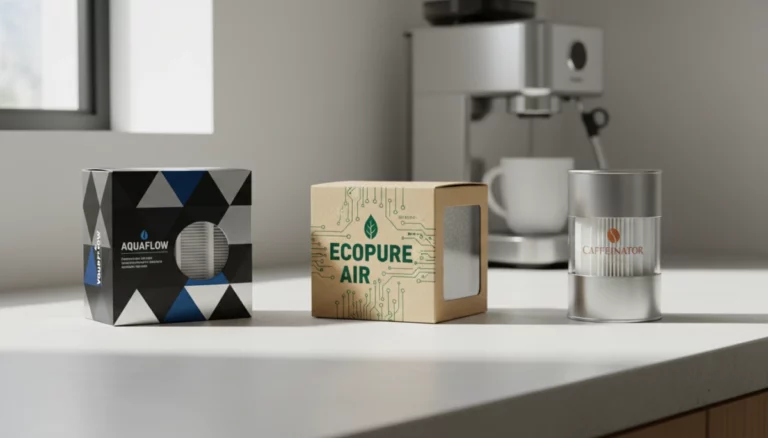
To stay competitive, distributors must look beyond basic carbon filters. The modern consumer demands “health-plus” benefits—specifically the removal of bacteria and microplastics while retaining essential minerals. Effective retail strategies also involve understanding the importance of packaging design in premium filter sales to capture consumer attention on the shelf.
- Market Demand: Increasing preference for non-electric, zero-waste systems.
- Inventory Focus: High-flow, compact units with verifiable 0.01-micron precision.
- Safety Standards: Sourcing products that align with rigorous safety benchmarks, such as NSF/ANSI standards, to build consumer trust.
DripLife’s Role: Your OEM/ODM Partner
As a leading OEM water filter manufacturer China, DripLife is positioned to support this market transition. We specialize in engineering advanced 5-stage filtration systems that integrate hollow fiber membrane technology with activated carbon. Our manufacturing capabilities allow brands to launch customized, high-performance faucet filters that meet the specific needs of the US market—combining sustainability, ease of use, and superior water quality in one plug-and-play package.
FAQs: Understanding UF Based Faucet Filters Market Adoption Trends
Why is the market shifting from RO to UF technology?
The current UF Based Faucet Filters Market Adoption Trends indicate a strong consumer preference for “living water” over the “dead water” often associated with Reverse Osmosis (RO). While RO systems are effective, they strip water of everything, including essential minerals like calcium and magnesium. Additionally, RO systems typically generate significant wastewater during the filtration process.
We are seeing a massive pivot toward mineral retaining water filters because they offer a balanced solution. Our Ultrafiltration (UF) technology removes harmful contaminants while keeping beneficial minerals intact. Furthermore, users are increasingly conscious of water waste; unlike RO, our zero wastewater filtration systems ensure that every drop drawn from the tap is utilized, aligning with broader sustainable water purification trends. For more on how we evolve our filtration methods to meet these demands, you can explore our approach to innovation and development.
How does 0.01 micron precision impact consumer safety?
The shift to 0.01 micron water filtration is a game-changer for residential safety. Standard activated carbon filters generally operate around 0.5 to 1 micron, which is sufficient for chlorine and taste but often lets smaller biological contaminants pass through.
Our hollow fiber membrane technology creates a physical barrier with pores so small (0.01 μm) that they effectively block:
- Bacteria and cysts: Providing a higher level of biological safety.
- Microplastics: Addressing growing concerns about microplastic removal efficiency.
- Suspended solids: Rust and sediment are physically stopped at the membrane surface.
This level of precision transforms a standard faucet into a powerful Point-of-Use (POU) water treatment station, giving families peace of mind that their water is physically purified, not just chemically treated.
What makes UF the eco-friendly choice for modern homes?
Sustainability is a primary driver in the residential ultrafiltration market size growth. Modern households are looking for non-electric water filter systems that reduce their carbon footprint without sacrificing performance.
Our UF faucet systems deliver on this by:
- Reducing Plastic Waste: A single filter cartridge can replace approximately 2,000 plastic water bottles (16.9 oz), significantly cutting down on single-use plastic.
- Energy Independence: Operating strictly on hydro-pressure, these systems require no electricity, unlike UV or pump-driven RO units.
- Extended Lifespan: With a capacity of up to 320 gallons, the faucet mount filter lifespan is optimized to reduce the frequency of disposal compared to standard pitcher filters.